

The Gridlock Tax: Why Travel Fees are Non-Negotiable
A breakdown of why travel fees are mandatory for Toronto photographers in 2026. This post addresses the logistical reality of the Gardiner Expressway, the hidden costs of vehicle maintenance, and the concept of opportunity cost.
Introduction
The "travel fee" is often treated by clients as a hidden extra or a petty addition to an already high invoice. It is neither. In 2026, Toronto’s infrastructure has reached a point of total saturation. If I am traveling from the core to Oakville, Vaughan, or even just crossing the city during a weekday, I am not "driving" I am participating in a slow motion industrial disaster. My travel fee doesn't just cover the cost of gas; it covers the opportunity cost of the hours I spend staring at the bumper of a delivery truck instead of editing or shooting.
The Gardiner Parking Lot
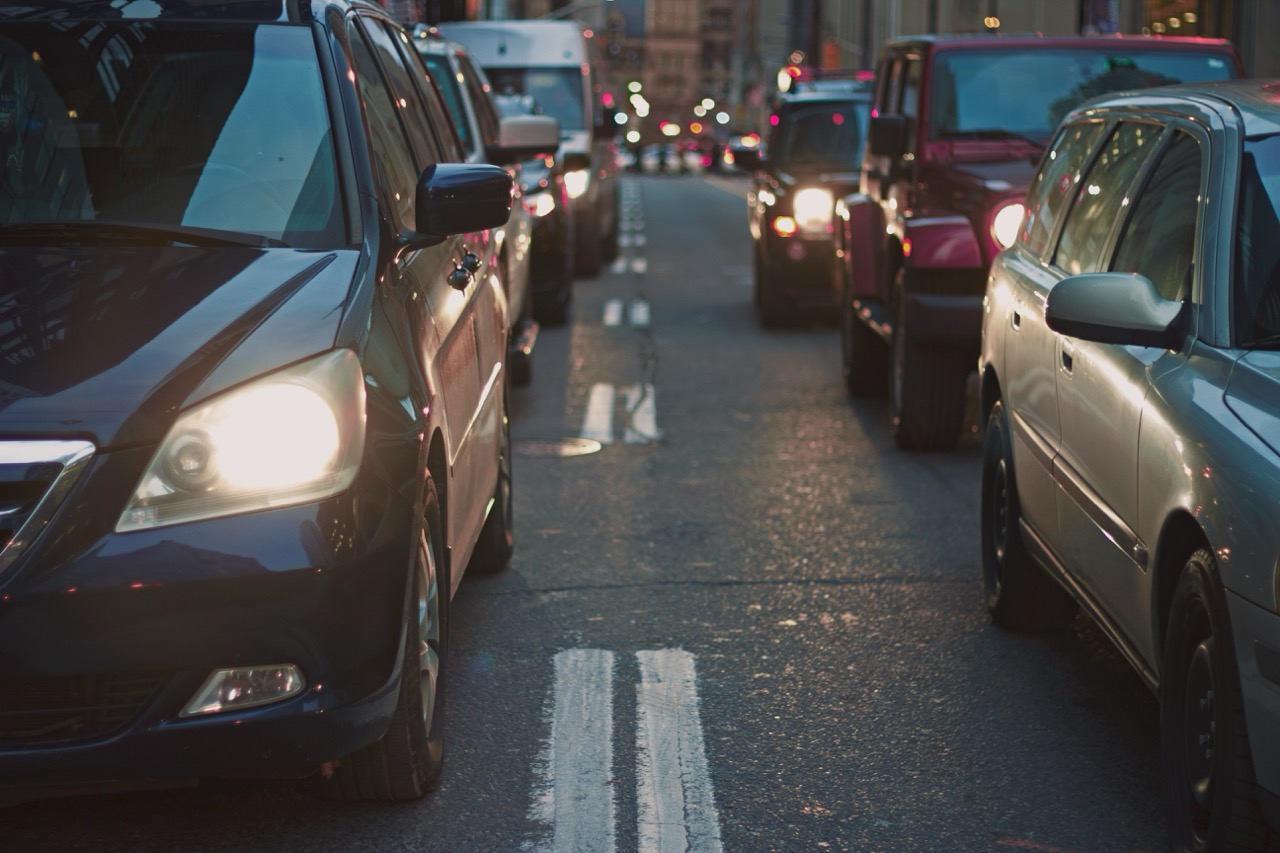
The Gardiner Expressway is no longer a highway; it is a permanent, high occupancy parking lot. With the ongoing lane reductions and bridge rehabilitations slated to last through 2026, a simple cross town trip can easily eat two to three hours of my life. When I book a session, I am committing a block of my professional availability. If I spend three hours in transit for a one hour shoot, that is a four hour commitment. My travel fee ensures that the business remains solvent despite the city's refusal to fix the flow of traffic.
Gas, Maintenance, and the GTA Toll
While Toronto gas prices are fluctuating around 132.9 cents per litre this February, the fuel is the smallest part of the equation. Professional travel involves a vehicle loaded with $20,000+ of sensitive glass and electronics. Constant stop and go traffic in a Toronto winter is brutal on a vehicle’s suspension, brakes, and engine. The travel fee accounts for the accelerated depreciation of the "mobile studio" required to bring the gear to your doorstep.
The Opportunity Cost
Time is the only finite resource a photographer has. If I am stuck on the DVP or the 401, I am not at my desk. I am not responding to inquiries, I am not color grading, and I am not scouting. A travel fee is an "absence tax." It compensates for the lost productivity that occurs the moment I put the car in gear. If you want me to bring my expertise to your specific location, you are paying for the time I am rendered useless by the city's congestion.
The Stress of the Commute
A professional photographer needs to arrive at a shoot focused, creative, and ready to perform. Navigating Toronto’s construction zones and unpredictable road closures is a high stress endeavor. Arriving at a wedding after a two hour battle with the lakeshore traffic requires a mental reset. The travel fee is, in part, a premium for the logistical gymnastics required to ensure I am on time, every time, regardless of what Metrolinx or the City of Toronto has closed that morning.
Fairness to Local Clients
Charging for travel is the only way to remain fair to my local client base. If I didn't charge a travel fee, I would have to raise my base rates across the board to subsidize the long distance trips. By separating the travel cost, I ensure that clients shooting in my immediate vicinity aren't paying for someone else’s 50km commute. You pay for the distance you require; nothing more, nothing less.


Final Thoughts
If you want to avoid the travel fee, come to me. Otherwise, understand that my time is worth exactly the same amount when I’m behind the wheel as it is when I’m behind the camera. The Gardiner Expressway doesn't care about your budget, and neither does my schedule. Pay the fee and I’ll see you at the location, eventually.
Some bonus content
Hey there! Just sharing some thoughts, fun insights, and cool stories from my photography adventures. Come check out my creative process and what I've been working on lately!