

The Myth of the Perfect Gear: Why Your Eyes Matter More Than Your Sensor
A blunt breakdown of why vision outperforms gear. This post dismantles the obsession with equipment and refocuses on the essential principles of composition, light, and narrative.
Introduction
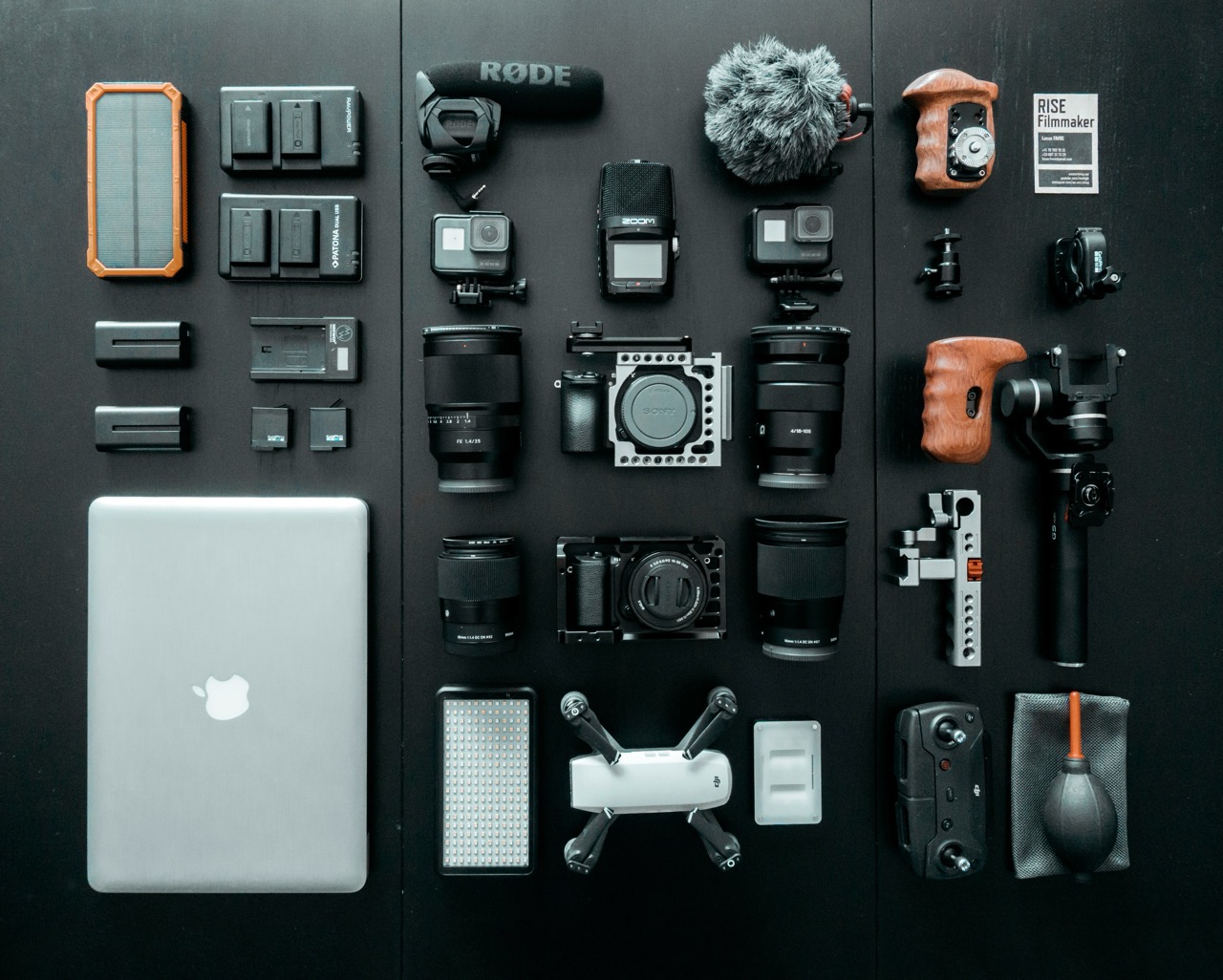
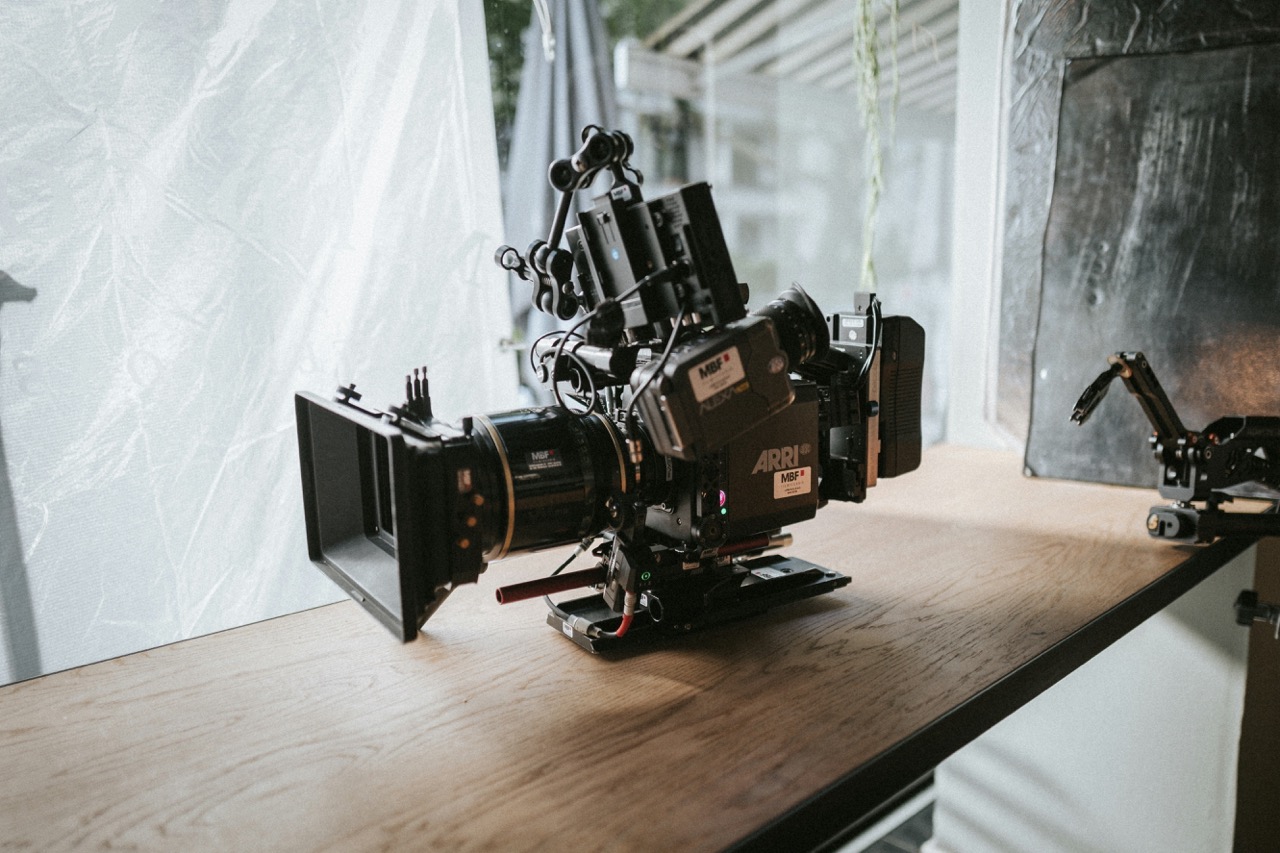
Stop obsessing over megapixels and dynamic range. A $10,000 rig in the hands of someone who can’t see light is just an expensive paperweight. I’ve seen masterpieces shot on cracked phone screens and garbage produced on medium format. Photography is the discipline of observation, not acquisition. If you want to actually make something worth looking at, start training your brain to see before you touch the shutter.
Master the Rule of Thirds
Symmetry is the refuge of the unimaginative. Unless you are Wes Anderson, quit centering everything. Use the 3x3 grid to create tension. Place your subject on the intersections. It forces the viewer’s eye to move across the frame instead of getting stuck in the middle like a fly in a web. Balance is achieved through weight, not centering.
Use Natural Light to Your Advantage
Flash is usually a crutch for people who don't understand how light works. Learn to read the sun. Golden hour isn't just a cliché; it’s the only time the world looks honest. Look for the way shadows define shape. If the light is harsh, use it to create high-contrast silhouettes. Don't fight the environment; exploit it.
Keep It Steady
A blurry photo is rarely "artistic" it’s usually just a mistake. If you can’t carry a tripod, learn to breathe. Exhale, tuck your elbows into your ribs, and turn your body into a brace. If the light is low, find a wall. Stability is the difference between a crisp realization of a moment and a muddy mess.
Get Closer to Your Subject
If your photos aren't good enough, you aren't close enough. Robert Capa said it, and it’s still true. Zoom lenses are for the lazy. Use your feet. Moving closer changes the perspective and forces an intimacy with the subject that a telephoto lens simply cannot simulate. Capture the texture of the skin or the grain of the wood.
Tell a Story
Every frame needs a protagonist and a conflict. Without a narrative, you’re just documenting a coordinate in space and time. What is the photo saying? If you can't answer that, don't take the shot. Remove the clutter. If a secondary element doesn't support the story, it's a distraction. Ruthless exclusion is the key to clarity.
Final Thoughts
I don’t care if you like these tips or if they make you feel "creative." They are the fundamentals of the craft. Most people will continue to buy gear they don't need to impress people who don't care. If you actually want to be a photographer, put down the gear catalog and go look at the world until you see something that matters.
Some bonus content
Hey there! Just sharing some thoughts, fun insights, and cool stories from my photography adventures. Come check out my creative process and what I've been working on lately!