

The Algorithm is Not a Critic: Why Photography is a Popularity Contest
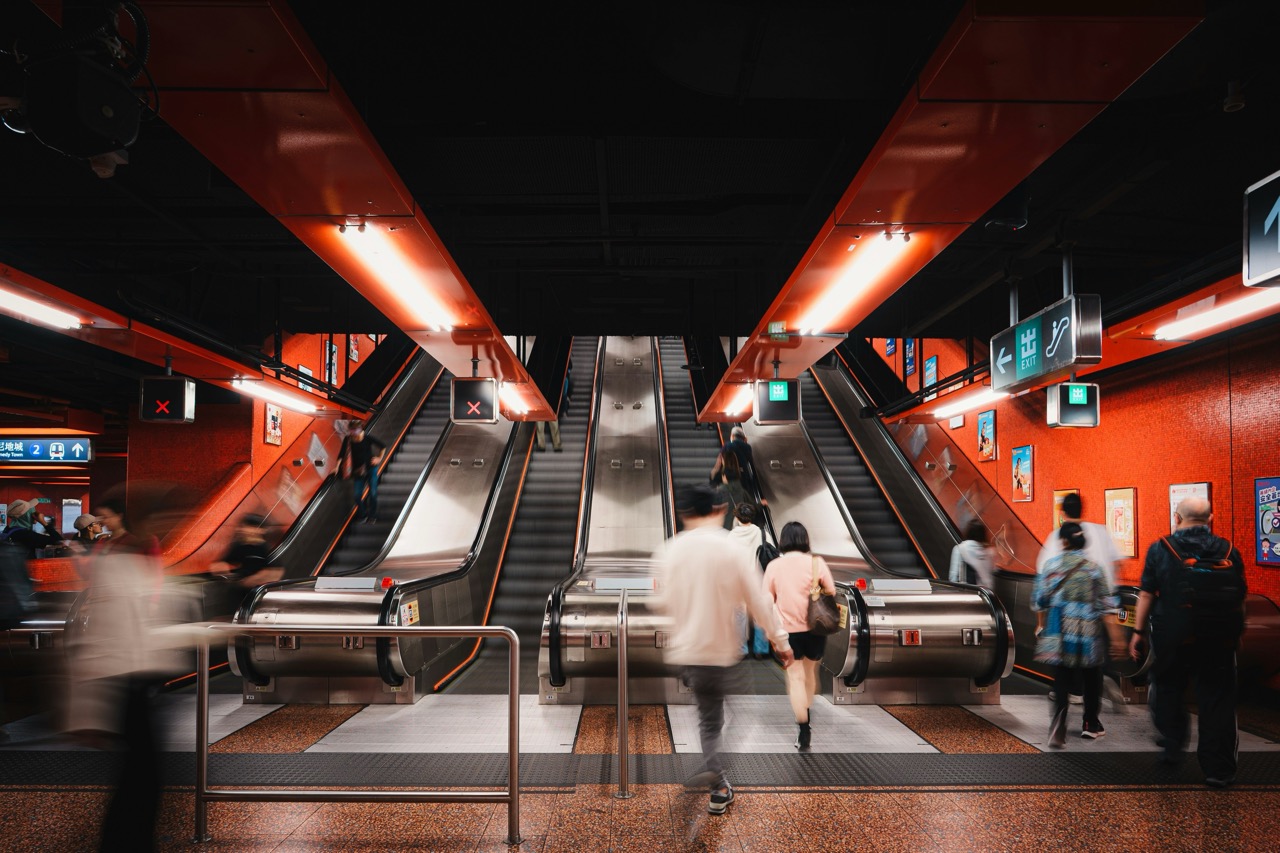
An indictment of social media’s impact on the photographic arts. This post examines how algorithms and engagement metrics prioritize mediocrity over genuine vision and encourages a return to personal standards.
Introduction
The modern landscape of photography has devolved into a race for digital validation. We have traded the pursuit of a singular, haunting frame for the pursuit of a metric. "Likes" are a shallow currency, yet they have become the primary filter through which work is judged. If your metric for success is a heart icon from a stranger who spent 0.5 seconds looking at your work, you aren't an artist; you're a content farm laborer.
The Death of Nuance
Algorithms reward the predictable. They want high-saturation sunsets, symmetrical landscapes, and whatever "look" is currently trending in the presets market. This creates a feedback loop of mediocrity. When you shoot for the crowd, you stop shooting for yourself. You begin to curate your vision to fit a narrow window of public expectation, effectively lobotomizing your own creative instincts.
Engagement is Not Excellence
A photo can go viral because it’s colorful, familiar, or features a recognizable landmark. That does not make it good. Technical proficiency and emotional resonance are often sacrificed at the altar of "reach." The most profound images in history—the ones that changed how we see the world—would likely fail the current social media algorithm because they require more than a millisecond of attention.
The Tyranny of the Trend
Presets and "one-click" filters have turned photography into a commodity. If everyone is using the same teal-and-orange grade, everyone’s work becomes invisible. You are being conditioned to produce work that looks like everyone else's because that is what the crowd recognizes. True mastery involves the courage to be ignored by the masses while you find a voice that actually says something.
Validating the Void
We are obsessed with "reach" because we are afraid of silence. If a photo doesn't get a hundred comments, we assume it has failed. This is a cognitive error. Some of the most powerful work is meant to be quiet, unsettling, or even difficult to look at. If your work doesn't challenge anyone, it's just wallpaper.
Shooting for an Audience of One
The only way to escape the popularity trap is to stop caring about the data. Delete the tracking apps. Stop checking the notifications. Ask yourself: if I could never show this photo to anyone else, would I still have taken it? If the answer is no, you’ve lost the plot. The camera should be a tool for self-discovery, not a megaphone for vanity.

Final Thoughts
It is a popularity contest because the platforms are designed to sell ads, not to curate art. You can choose to play that game and watch your vision atrophy, or you can choose to ignore the scoreboard. Real photography survives long after the servers go dark. Build a body of work that matters to you, or get out of the way for those who will.
Some bonus content
Hey there! Just sharing some thoughts, fun insights, and cool stories from my photography adventures. Come check out my creative process and what I've been working on lately!